Starting a Shoe Retail Business with Strategic Wholesale Shoes Sourcing
The global footwear market continues to expand at a rapid pace, driven by evolving fashion trends, increasing consumer demand, and the growth of e-commerce. From athletic sneakers to luxury heels, shoes are not just functional items—they are powerful fashion statements and essential lifestyle products. For aspiring entrepreneurs, starting a shoe retail business presents a lucrative opportunity with significant long-term potential.
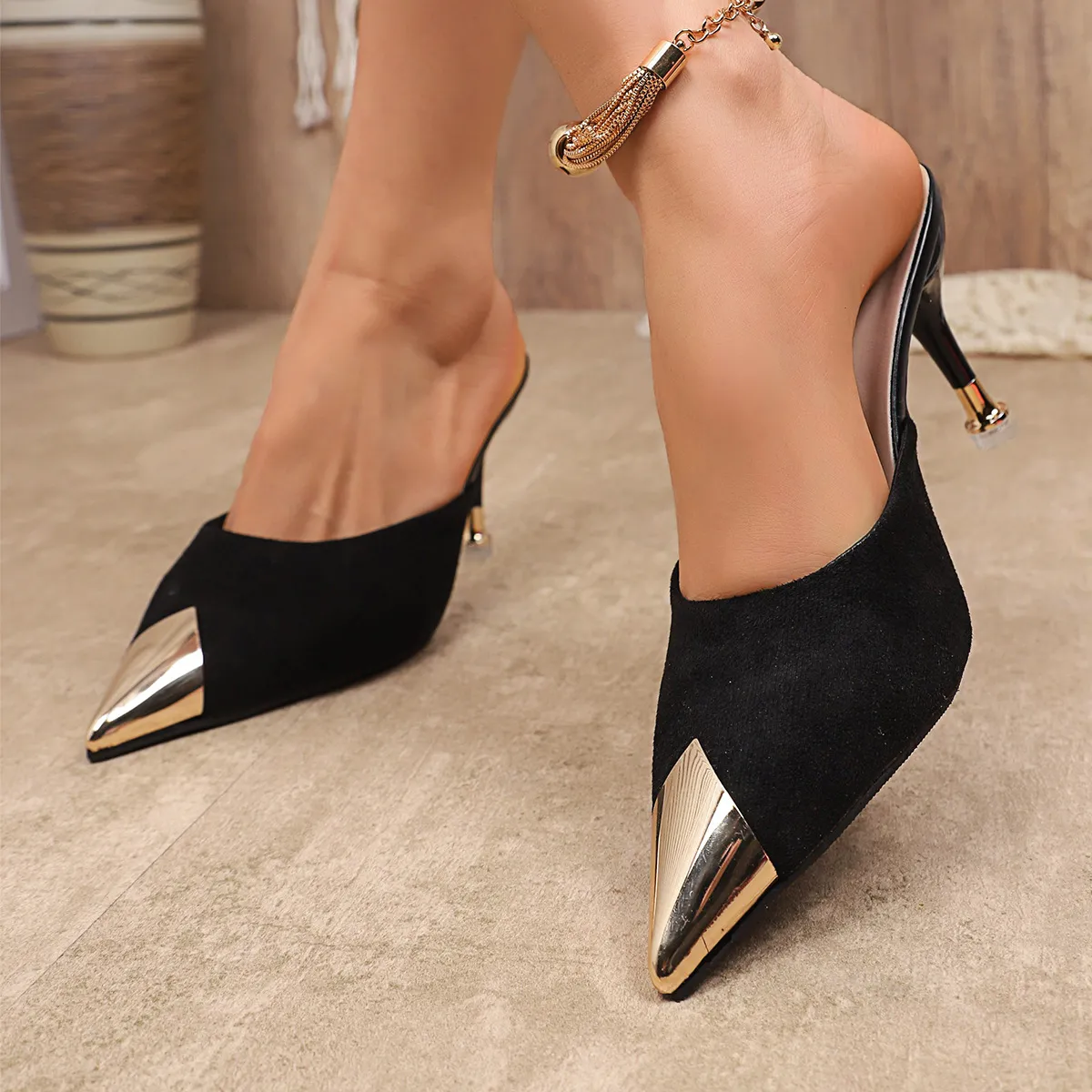
However, success in the footwear industry is not simply about selling shoes. It requires strategic planning, strong supplier relationships, effective branding, and, most importantly, smart sourcing decisions. This is where choosing the right wholesale partner becomes critical. Platforms like FashionTIY have emerged as valuable resources for retailers looking to streamline their supply chain while maintaining competitive pricing and product diversity.
In this comprehensive guide, we will explore how to start and grow a shoe retail business using strategic wholesale shoes sourcing, while naturally integrating key product categories and supply solutions that can help you succeed in a highly competitive market.
Understanding the Shoe Retail Market
Before diving into sourcing and operations, it is important to understand the structure of the shoe retail industry.
Market Segments
The footwear market is divided into several major segments:
Casual shoes
Athletic footwear
Formal shoes
Seasonal footwear (sandals, boots)
Indoor footwear (slippers)
Kids’ footwear
Each segment caters to different customer needs, price points, and buying behaviors. A successful retailer often focuses on one niche initially before expanding into multiple categories.
Consumer Behavior Trends
Modern consumers are influenced by:
Social media trends
Celebrity and influencer endorsements
Comfort and functionality
Sustainability and ethical sourcing
Affordable fashion alternatives
Understanding these trends helps you choose the right products when sourcing from a wholesale shoes supplier.
Why Strategic Wholesale Sourcing Matters
Sourcing is the backbone of your shoe retail business. Poor sourcing decisions can lead to low-quality inventory, slow sales, and reduced customer trust.
Benefits of Wholesale Sourcing
Lower Costs – Bulk purchasing reduces per-unit cost
Higher Profit Margins – Competitive pricing increases profitability
Wide Product Selection – Access to diverse styles and categories
Scalability – Easy to expand inventory as your business grows
Platforms like FashionTIY provide a one-stop solution for retailers looking to access multiple categories, including wholesale sneakers, wholesale sandals, and wholesale boots.
Choosing the Right Wholesale Supplier
Selecting a reliable supplier is one of the most critical decisions you will make.
Key Factors to Consider
Product quality
Pricing structure
Minimum order quantity (MOQ)
Shipping options
Return policies
Product variety
FashionTIY stands out by offering low MOQs, competitive pricing, and a wide range of footwear options, making it ideal for both beginners and experienced retailers.
Building Your Product Strategy
A strong product strategy ensures that your inventory aligns with customer demand.
1. Core Product Categories
Start with high-demand categories such as:
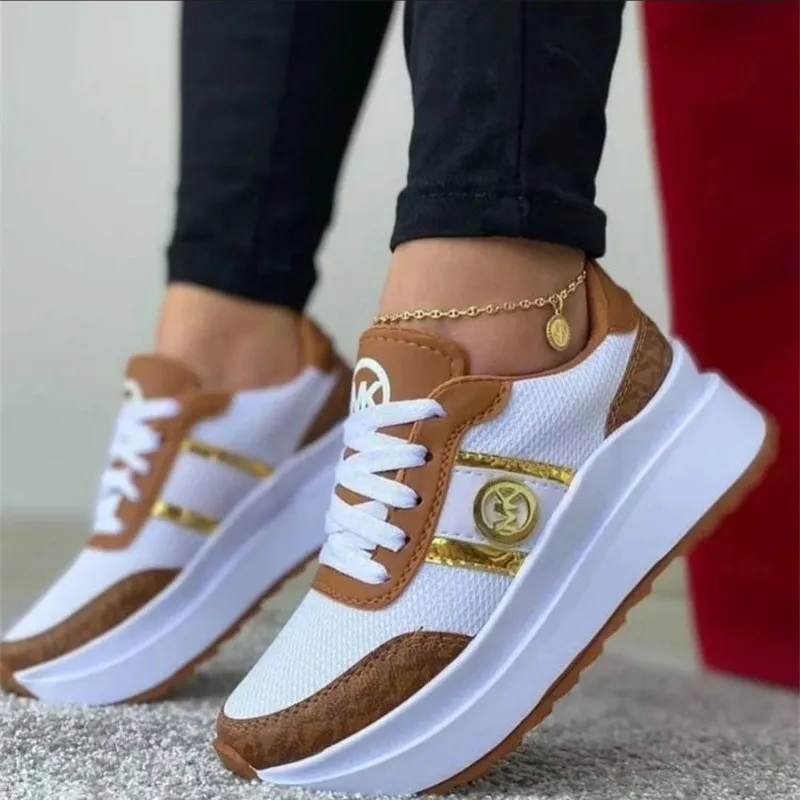
wholesale sneakers for everyday wear
wholesale high heels for fashion-conscious customers
wholesale sandals for warm climates
wholesale slippers for comfort
These categories provide a balanced inventory that appeals to a broad audience.
2. Seasonal Inventory Planning
Seasonality plays a major role in footwear sales:
Summer: sandals and slippers
Winter: boots
Year-round: sneakers and casual shoes
Stocking wholesale boots during colder months ensures you meet seasonal demand.
Expanding into Niche Markets
Once your business is established, expanding into niche segments can significantly boost revenue.
Women's Footwear
Women’s shoes are one of the largest and most profitable segments.
Popular options include:
These styles cater to both casual and professional fashion needs.
Men's Footwear
Men’s footwear is often driven by practicality and durability.
Sourcing wholesale men shoes allows you to target:
Office workers
Athletes
Casual wear consumers
Kids' Footwear
Children’s shoes are a high-repeat purchase category due to rapid growth.
You can expand your offerings with:
wholesale girls shoes
Enhancing Customer Experience
Customer experience is a key differentiator in retail.
Product Presentation
Packaging plays a crucial role in branding. Using wholesale shoe boxes enhances product appeal and protects inventory.
Comfort and Lifestyle Products
Indoor footwear is increasingly popular. Adding:
can attract customers looking for comfort-focused products.
Pricing Strategy and Profit Margins
A well-defined pricing strategy ensures sustainable growth.
Cost Structure
Your costs include:
Product cost
Shipping fees
Marketing expenses
Platform fees
By sourcing from a reliable wholesale shoes supplier, you can maintain healthy margins.
Pricing Models
Keystone pricing (2x cost)
Competitive pricing
Premium pricing for unique products
Marketing Your Shoe Business
Marketing is essential for attracting and retaining customers.
Digital Marketing Strategies
Social media advertising
Influencer collaborations
Email marketing
SEO optimization
Using keywords like wholesale sneakers, wholesale sandals, and wholesale boots in your content improves search engine visibility.
Branding
Your brand should communicate:
Style
Quality
Affordability
Trust
E-Commerce vs Physical Store
Choosing the right sales channel depends on your business model.
E-Commerce Advantages
Lower overhead costs
Global reach
Easy scalability
Physical Store Advantages
Direct customer interaction
Immediate product experience
Strong local presence
Many successful retailers combine both approaches.
Inventory Management
Efficient inventory management prevents overstocking and stockouts.
Best Practices
Use data analytics
Monitor sales trends
Adjust orders based on demand
Platforms like FashionTIY make it easier to reorder popular items quickly.
Logistics and Shipping
Fast and reliable shipping improves customer satisfaction.
Key Considerations
Delivery time
Shipping costs
Packaging quality
Using durable wholesale shoe boxes ensures products arrive in excellent condition.
Scaling Your Business
Once your business is stable, focus on growth.
Expansion Strategies
Add new product categories
Enter new markets
Build a private label brand
Expanding your inventory with items like wholesale platform shoes and wholesale mules can attract new customer segments.
Common Mistakes to Avoid
Overbuying inventory
Ignoring market trends
Choosing unreliable suppliers
Poor pricing strategy
Avoiding these mistakes increases your chances of long-term success.
Why FashionTIY is a Smart Choice
FashionTIY offers several advantages for shoe retailers:
Wide product range
Affordable pricing
Low minimum order quantities
Reliable global shipping
Whether you are sourcing wholesale men shoes, wholesale girls shoes, or wholesale slippers, the platform provides flexibility and convenience.
Future Trends in the Shoe Industry
Staying ahead of trends gives you a competitive edge.
Emerging Trends
Sustainable footwear
Smart shoes with technology integration
Customizable designs
Direct-to-consumer brands
Retailers who adapt quickly to these trends will thrive in the evolving market.
Starting a shoe retail business is an exciting and profitable venture when approached strategically. From understanding market trends to selecting the right supplier, every decision plays a crucial role in your success.
By leveraging reliable platforms like FashionTIY and focusing on strategic wholesale shoes sourcing, you can build a scalable and competitive business. Whether you are selling wholesale sneakers, wholesale high heels, or wholesale sandals, the key is to align your product offerings with customer demand while maintaining quality and affordability.
With careful planning, effective marketing, and continuous adaptation, your shoe retail business can grow into a thriving enterprise in the global footwear market.


Comments
Post a Comment